
The research is not helping. Everyone sounds the same.
Two terms. One decision. And almost no clarity online about what either one actually means for a wealth management firm.
If you have been researching operational leadership support for your RIA and keep seeing both “virtual COO” and “fractional COO” without a clear explanation of how they differ, that is not an accident. The terms are used interchangeably across the industry. But the engagement model behind each label can be very different, and for a firm managing $200M to $1B in AUM, that difference determines whether the support you bring in actually changes how the firm operates.
A fractional COO is a senior operational leader who works inside the firm on a part-time or retained basis, embedded in the business, accountable for execution, and responsible for outcomes.
The word fractional refers to the time commitment, not the level of leadership. A fractional COO provides COO-level operational ownership at a fraction of the cost of a full-time hire. They are inside the firm’s meetings, inside the CRM, inside the team structure, and accountable for what actually changes.
A virtual COO is a remote operational advisor who provides guidance, strategic input, and recommendations without being embedded in the day-to-day work of the firm.
The word virtual refers to the delivery model. The relationship is conducted remotely and is advisory in nature. The virtual COO tells the firm what to do. Implementation remains with the internal team.
Some firms use the terms interchangeably because both models provide COO-level thinking without a full-time hire. That part is accurate. But the operational reality inside a $300M or $500M advisory firm is that strategic guidance delivered remotely is very different from embedded operational leadership delivered inside the business.
The distinction is not about location. It is about accountability.
A virtual COO advises. A fractional COO executes.
For advisory firms where the operational problem is a lack of external perspective or strategic direction, a virtual COO may be what creates movement. For firms where the problem is execution, accountability, adoption, and the gap between what the team knows it should do and what it actually does, a remote advisory relationship will not close that gap.
Fractional COO | Virtual COO | |
Delivers | Execution and operational outcomes | Strategic guidance and recommendations |
Engagement model | Embedded inside the firm | Remote advisory relationship |
Accountability | Operationally accountable for outcomes | Accountable for advice quality |
Works inside your CRM and tools | Yes | Typically no |
Manages team execution directly | Yes | No |
Attends internal meetings | Yes | Sometimes |
Best fit | Firms with execution and accountability gaps | Firms that need outside perspective and strategic input |
Engagement structure | Retained, ongoing | Varies, often project or retainer |
RIA-specific expertise needed | Critical | Helpful |
The firms Atlas Park works with are not struggling because they lack good strategic ideas. They are struggling because the gap between strategy and execution is widening as the business grows.
The founder knows onboarding takes too long. The team knows the CRM is not being used the way it should. Leadership knows the same questions keep surfacing in the same meetings. The issue is not information. The issue is that no one inside the firm is accountable for closing the gap between knowing and doing.
A remote advisory relationship does not solve that. It adds more knowing.
What firms at this stage need is someone who shows up inside the work. Who sits in the team meetings, tracks what was agreed and what was not followed through, identifies where Redtail or Wealthbox workflows are breaking down in practice, and is accountable for whether the operational infrastructure actually improves.
That is the fractional COO model. And it is meaningfully different from virtual advisory support, regardless of what label either one carries.
There are situations where a virtual advisory arrangement is the right starting point.
If the firm has a strong internal operations leader who can own implementation, outside strategic perspective may be enough to unlock movement. If the firm is at an earlier stage and the operational challenges have not yet reached the complexity that requires embedded leadership, a lighter-touch advisory relationship may be appropriate. If the firm needs a specific operational question answered before committing to a longer engagement, that is a different need than sustained embedded support.
Atlas Park’s Advisory Access engagement is built for that kind of targeted, contained need. It is not virtual advisory. It is embedded support around a specific problem, without the scope of a full fractional COO engagement.
When evaluating operational leadership support for a wealth management firm, the label matters less than the engagement model.
The questions worth asking any provider, regardless of what they call themselves:
Are you embedded inside the firm or remote and advisory?
Are you accountable for operational outcomes or for the quality of your recommendations?
Do you work inside the CRM and workflow platforms the firm already uses?
Do you stay in the engagement until the changes hold, or does your work end when the roadmap is delivered?
The answers to those questions tell you more about what the support will actually produce than whether the provider calls themselves a virtual COO, a fractional COO, or an operations consultant.
Atlas Park’s fractional COO engagements are embedded, not advisory. The work happens inside the firm. Accountability is operational. The engagement continues until the infrastructure is stronger and the team can sustain it without external support.
Atlas Park provides embedded fractional COO services for independent wealth management firms and RIAs managing $200M to $1B in AUM.
The OPS Strategy Call is the starting point. It is a conversation about where operational pressure is showing up, what has already been tried, and whether embedded fractional COO support is the right next step for where the firm is right now.
A fractional COO is embedded inside the firm and accountable for operational outcomes. A virtual COO typically provides remote strategic guidance without being embedded in day-to-day execution. The fractional COO executes. The virtual COO advises. For advisory firms where the gap is between knowing and doing, that distinction determines whether the support actually changes how the firm operates.
Not necessarily. The terms are used interchangeably by some providers but describe meaningfully different engagement models. A fractional COO who works inside the firm, attends team meetings, operates within the CRM and workflow platforms, and is accountable for outcomes is a different relationship than a remote advisor who provides strategic input. The label matters less than what the engagement actually includes.
For RIA and wealth management firms managing $200M to $1B in AUM where operational execution is the problem, an embedded fractional COO engagement creates more traction than a remote advisory arrangement. If the firm’s leadership team can implement strategic recommendations independently, virtual advisory support may be sufficient. If execution consistently stalls when left to the internal team, embedded operational leadership is what will actually close the gap.
A virtual COO provides remote operational guidance, strategic planning support, and recommendations for improving how a business runs. The engagement is advisory in nature. Implementation is left to the internal team. For firms that have the internal capacity to act on recommendations, this model can create movement. For firms where implementation consistently stalls without external accountability, advisory support alone rarely holds.
A fractional COO builds and manages the operating foundation inside the firm. For wealth management firms, that means aligning CRM platforms like Redtail, Wealthbox, or Salesforce with how the team actually needs to operate, designing and implementing workflows, creating accountability structures, and reducing founder dependency. The fractional COO is present inside the work, not advising from outside it, and stays in the engagement until the operational changes hold independently.
Virtual COO arrangements vary widely depending on the provider and scope. Fractional COO engagements are structured as monthly retainers and represent a more substantial ongoing investment than a periodic advisory relationship. For firms where execution gaps are limiting growth directly, the return on embedded operational leadership often exceeds the cost within the first year of engagement. The right starting point is a conversation about what the firm actually needs, not a price comparison between labels.
Virtual CXO is a broader term that encompasses fractional or virtual versions of any C-suite role, including COO, CFO, CMO, and others. For wealth management firms evaluating operational leadership support, the relevant question is not what acronym the provider uses but what the engagement model includes and whether the provider has direct experience inside advisory firms at the firm’s stage and complexity.
Wealth management firms managing $200M to $1B in AUM with teams of five or more people are the typical fit. These firms have grown beyond what a founder-led operational model can support but are not yet at the size where a full-time COO hire makes financial sense. Atlas Park works exclusively in this space.
Atlas Park Consulting provides fractional COO services for independent wealth management firms and RIAs managing $200M to $1B in AUM across the United States. Every engagement is embedded, not advisory.
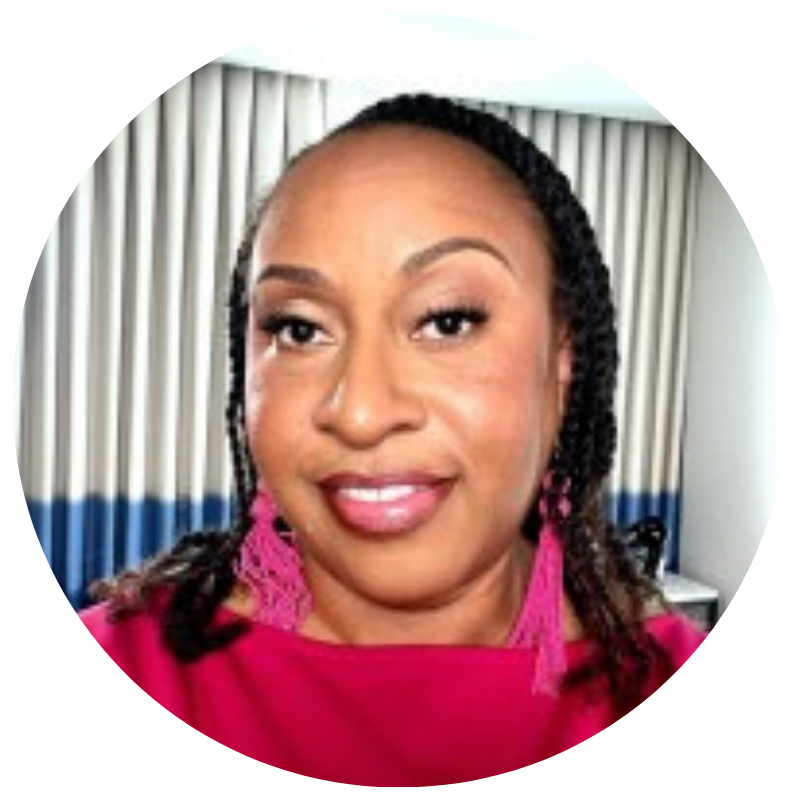
Cameo Roberson is the CEO of Atlas Park Consulting and has 20+ years of experience in financial services operations and leadership. She works with 6 and 7 figure advisory practices, helping them plug operational holes and revenue leaks affecting client service, team morale, and leader overwhelm, so they can streamline operations and scale sustainably. Her expertise includes service delivery optimization, business infrastructure design, and fractional COO services for wealth management teams.




You cannot copy content of this page