
Operations Consulting


Fractional COO | Operations Consultant | |
Delivers | Execution and operational outcomes | Recommendations and a roadmap |
Stays through implementation | Yes | Typically no |
Takes operational ownership | Yes | No |
Accountable for results | Yes | No |
Works inside existing tech stack | Yes | Sometimes |
Manages team execution directly | Yes | No |
Best fit | Firms with execution gaps and accountability problems | Firms that need a diagnosis and have internal capacity to implement |
Engagement structure | Retained, ongoing | Project-based |
Industry specialization needed | Critical for advisory firms | Helpful |
If several of those describe the current situation, a consulting engagement will likely produce a useful document that does not get implemented. What the firm needs is someone embedded in the work.
For some firms, starting with a consulting engagement and transitioning to fractional COO support later is the right sequence. What matters is being honest about whether the internal capacity to implement actually exists.
After the consultant leaves, who owns implementation?
If someone inside the firm has the authority, capacity, and operational knowledge to drive the changes, a consulting engagement may be enough. If that person does not exist, or if the firm has already tried internal implementation and it has not held, then what the firm needs is not another roadmap. It needs embedded operational leadership that stays in the work until the infrastructure is strong
Atlas Park provides embedded fractional COO services for independent wealth management firms and RIAs managing $200M to $1B in AUM. The work is embedded, not advisory.
Atlas Park does not deliver reports and exit. Every engagement is built around operational accountability: building the execution structure, aligning the team around clearer ownership, and staying in the work until the changes hold without external support.
The starting point is an OPS Strategy Call. The call looks at where operational pressure is showing up, what is creating friction, and whether a fractional COO engagement is the right fit for where the firm is right now.
For firms where a full fractional COO engagement is not the right next step, Advisory Access provides targeted operational support around a specific problem without a longer retained commitment.
A fractional COO is embedded in the firm and accountable for operational outcomes. An operations consultant delivers recommendations and exits. The distinction is accountability. A consultant provides a roadmap. A fractional COO executes it and stays until the operations are stronger.
Operations consultants typically charge project fees that vary by scope. Fractional COO engagements are structured as monthly retainers and represent an ongoing operational investment. For firms where internal implementation consistently stalls, the cost of repeated consulting engagements without lasting results often exceeds the cost of retained fractional COO support.
It depends on whether the firm has the internal capacity to implement recommendations on its own. Firms managing $200M to $1B in AUM where the founder is still the operational center of gravity, where team execution is inconsistent, or where prior consulting work did not produce lasting change typically need embedded operational leadership, not another roadmap.
A fractional COO manages execution. They work inside the firm’s existing team and technology, build accountability structures, drive workflow adoption, and stay embedded until the new operating model holds. A consultant identifies what needs to change and recommends how. The fractional COO makes sure it actually changes.
Firms working with a fractional COO typically see meaningful operational change within the first 60 to 90 days. Workflow redesign and accountability system implementation typically take 90 to 180 days to fully embed across the team. Full operational infrastructure, including scalable systems and consistent team execution, is typically in place within six to twelve months. Atlas Park stays in the engagement until the operational changes hold independently.
Advisory firms begin exploring fractional COO services when they reach $200M in AUM with a team of five or more people and start experiencing operational strain that internal resources cannot resolve. Common indicators include founder dependency that limits firm capacity, inconsistent client experience, a client onboarding process that is too people-dependent, and technology that is not driving accountability. Firms do not need to wait until everything is broken. The right time is when growth is starting to feel harder than it should.
For advisory firms experiencing execution problems rather than diagnostic gaps, a fractional COO provides what the consultant provides and delivers the implementation the consultant does not. For firms that are genuinely uncertain what is broken and need an outside assessment before committing to retained support, starting with a diagnostic engagement first may make sense.
Wealth management firms managing $200M to $1B in AUM with teams of five or more people are the typical fit. These firms have grown beyond what a founder-led operational model can support but are not yet at the size where a full-time COO hire makes financial sense. Atlas Park works exclusively in this space.
Atlas Park Consulting provides fractional COO services for independent wealth management firms and RIAs managing $200M to $1B in AUM across the United States. Every engagement is embedded, not advisory.
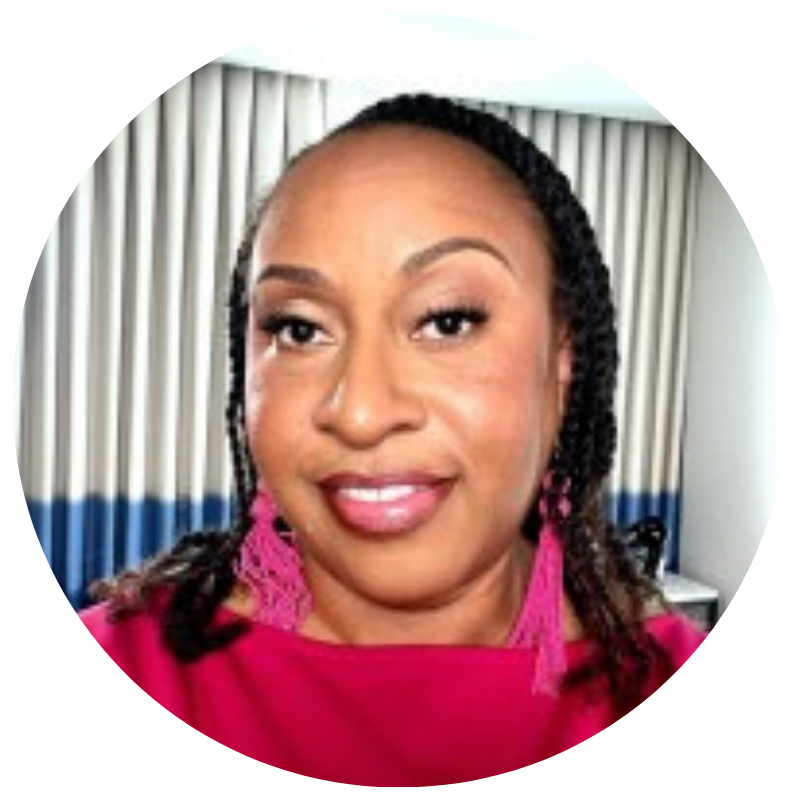
Cameo Roberson is the CEO of Atlas Park Consulting and has 20+ years of experience in financial services operations and leadership. She works with 6 and 7 figure advisory practices, helping them plug operational holes and revenue leaks affecting client service, team morale, and leader overwhelm, so they can streamline operations and scale sustainably. Her expertise includes service delivery optimization, business infrastructure design, and fractional COO services for wealth management teams.


You cannot copy content of this page